September 23, 2026 · 5 min read
How to extend the life of your Tesla's battery
LFP or nickel, the right habits are not the same, and your history is what makes the difference
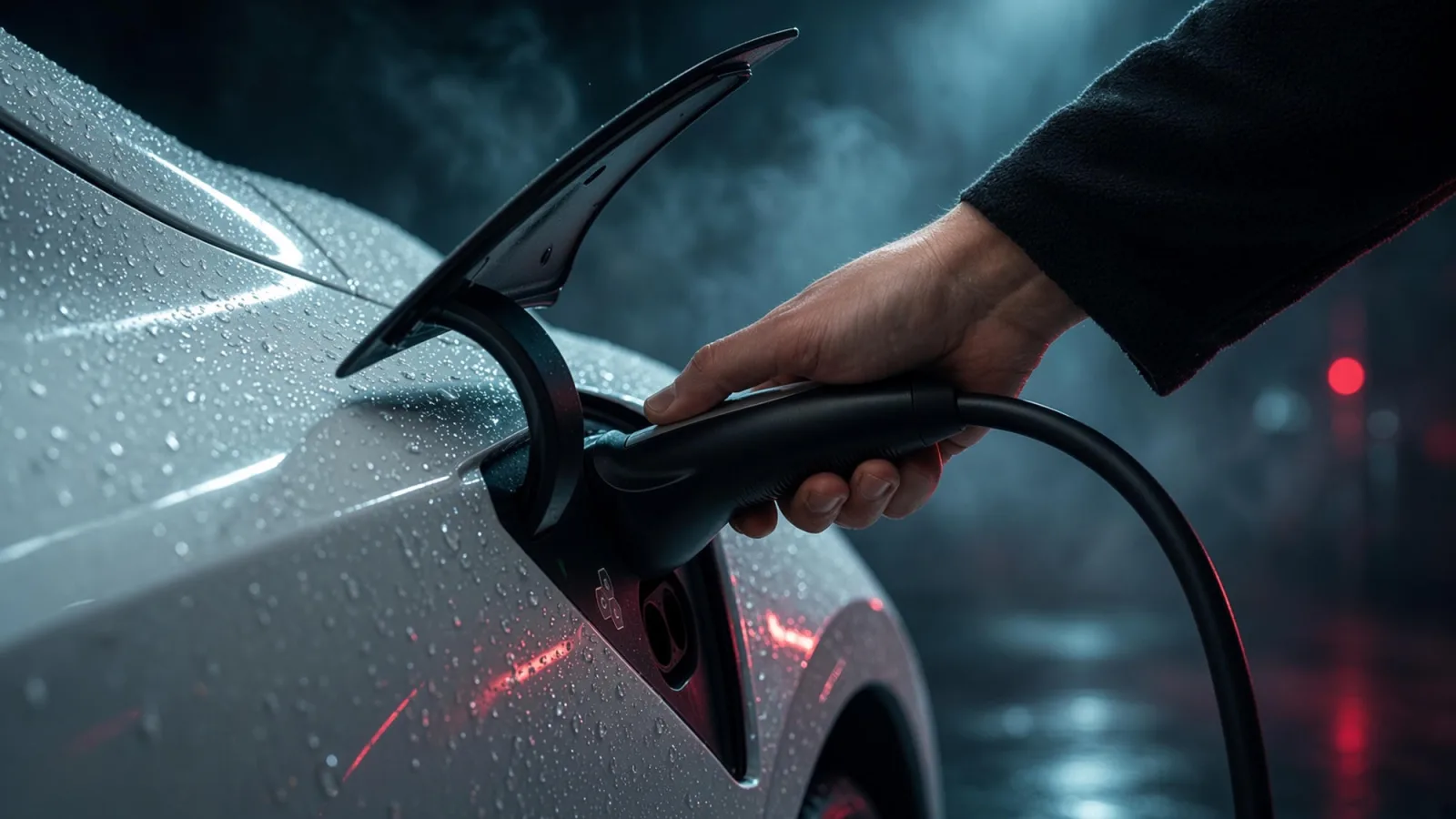
A Tesla battery ages slowly. Tesla says a Model 3 or Model Y Long Range loses only 15% of its capacity on average after 200,000 miles. That is an average, and behind an average there are cars that age better than others.
Much of the difference comes down to how they are charged. And the first rule is a surprise: there is no one-size-fits-all advice. What spares one battery can tire out another.
First, know which battery you have
Tesla fits two main families of batteries, depending on the model, the trim, the factory and even the quarter it was built.
- LFP (lithium iron phosphate): mostly on entry-level trims, recent Model 3 RWD and Model Y Standard.
- Nickel (NCA or NMC): Long Range and Performance trims, Model S and X, and the Cybertruck.
Two Model 3 Long Range cars from the same year can even carry different cells depending on whether they came out of Fremont, Shanghai or Berlin. The safest way is to ask the car:
- on the charge limit screen, an LFP shows “50%” and “100%”, a nickel battery shows “Daily” and “Trip”;
- under Controls › Software › Additional Vehicle Information, the “High Voltage Battery type” line spells it out.
Driving a Model 3? The reference details which battery each trim of the Model 3 Highland and the previous generation uses.
LFP battery: don’t be afraid of 100%
This is the advice that surprises people most, and it comes from Tesla: for an LFP, keep your charge limit at 100%, even for daily use, and fully charge at least once a week.
The reason is not wear but the accuracy of the gauge. An LFP has a very flat voltage across most of its range: without a regular full charge, the car loses track and its range estimate drifts. If the car sits for more than a week, drive normally when you get back, then charge to 100% as soon as you can.
Nickel battery: 80 to 90% day to day, and charge often
For a nickel battery, it is the opposite: 80 to 90% for everyday driving, 100% only before a long trip, ideally right before you leave.
And one myth to drop: “charge less often to save cycles.” A cycle is an amount of energy, not a plug-in. Two 30% charges count the same as a single 60% one, and small charges are the gentlest on a nickel battery. Plugging your car in every night is not a flaw, it is a good habit.
For every battery: don’t let it sleep full
The wear factor research has established best is the same for everyone: a battery that sits for a long time at a high level ages faster, and even more so in the heat. Three weeks at 50% does nothing; three weeks at 95% in the middle of summer does.
Before leaving on vacation without the car, lower the charge limit. For an LFP, the full-charge rule applies again when you get back.
Supercharging: neither guilty nor innocent
Should you avoid Superchargers? The major studies contradict each other: one measures no difference across more than ten thousand Teslas, another, across all brands, sees slightly faster wear in cars that use fast charging as their main way to charge.
What can honestly be said: on a road trip, that is what Superchargers are for. If it becomes your everyday charging, it is a habit worth tracking over time rather than guessing about.
Winter: your battery has not lost anything
Cold weather melts away range, and that is not wear. Most of the loss comes from heating the cabin, and the little blue snowflake next to the gauge means some energy is there but temporarily unavailable because the battery is cold. Four habits, all recommended by Tesla:
- leave the car plugged in when you are not driving: the grid, not the battery, then keeps it warm;
- precondition 30 to 45 minutes before you leave, preferably while plugged in;
- use the seat heaters rather than the cabin heater;
- before a fast charge, navigate to the Supercharger 30 to 45 minutes before arriving: the battery will arrive preconditioned and charge faster.
Good advice is not enough: you need to know what you actually do
You can read everything above anywhere. What no article can tell you is whether you, with your car, follow these rules. How many of your charges go above 90%? What share happens at a Supercharger? Did your LFP get its full charge this week? Did your car sit full during your last vacation?
That is exactly what iCar for Tesla does. Every charge, every trip, every parking adds to your car’s history, and that history feeds a personalized diagnosis that gets sharper day after day:
- iCar recognizes your Tesla’s battery type and gives you the advice that matches its chemistry, not generalities;
- the “Your habits” section reports what you really do: charges that go too high, trips started below 10%, share of fast charging, long stays parked with a full battery. A good setting is called good, a habit worth changing is named;
- you follow your car’s full-charge range week after week, and see how it compares with similar cars;
- charge limit by location applies the right setting on its own: 80% at home, 100% before the drive from work.
The longer iCar watches your car, the more precise its diagnosis. The first weeks lay the groundwork; the months that follow draw a trend.
An investment for resale
The day you sell your Tesla, the buyer will ask one real question: what shape is the battery in? Today, most sellers have nothing better to answer than “it’s fine,” or pay for a one-off test that says nothing about how the car was treated.
With iCar, you have more than an impression: months of measured range and charging habits recorded as you go. A well-kept battery is better proven than promised, and that history starts building today. It cannot be made up after the fact.
Install iCar for Tesla, connect your car, and open Support › Battery: your first personalized tips are waiting for you.
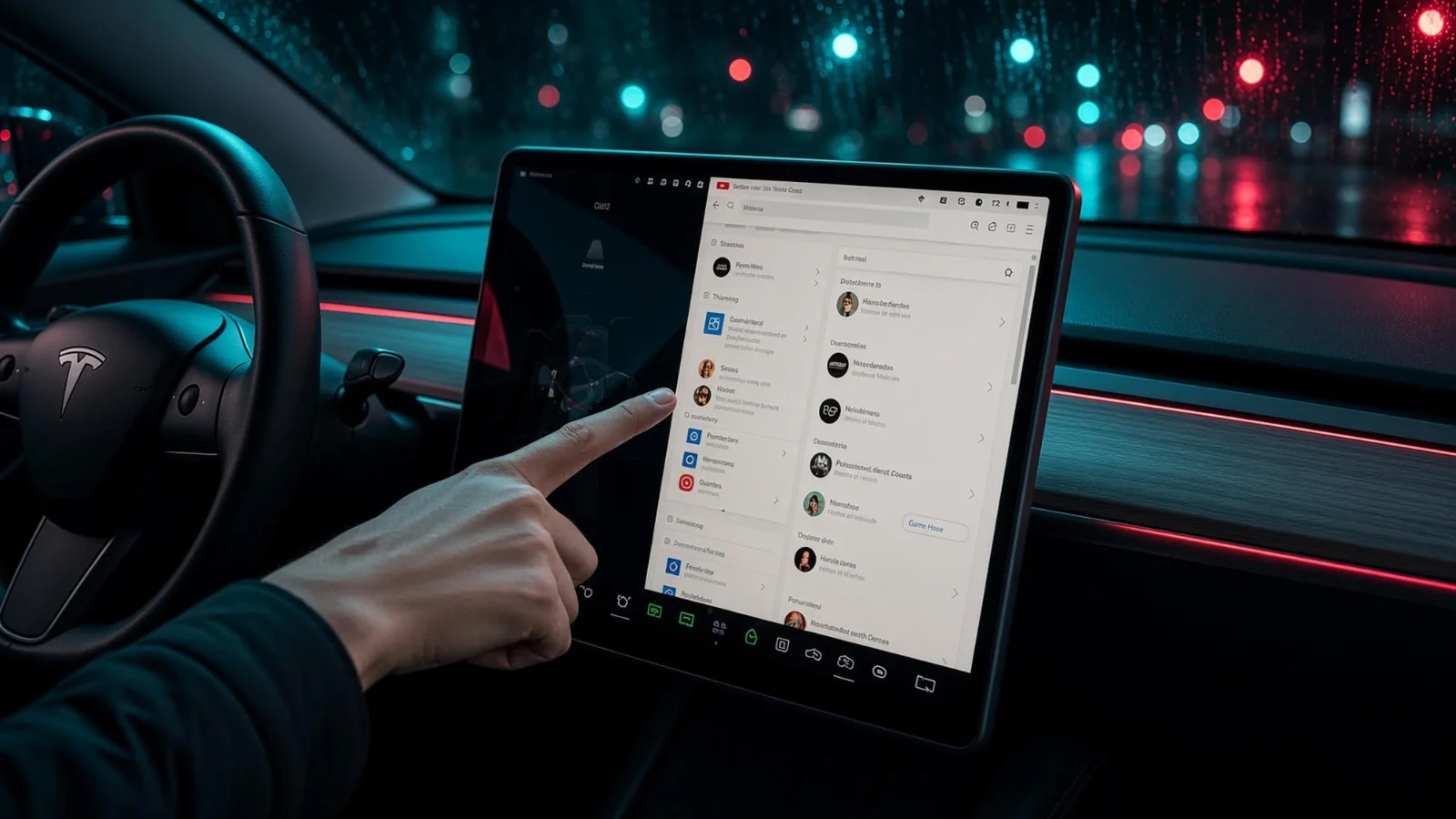
The dashboard of your Tesla: trips, charging, battery and Sentry, right on the car's screen.
Download iCar